
Stone Fabrication Jobs in Tennessee: A Worker’s Guide to Shop and Field Roles
Compare Tennessee stone fabrication jobs by shop or field duties, equipment, travel, schedules, safety questions, and verified application routes.
Contents11 sections
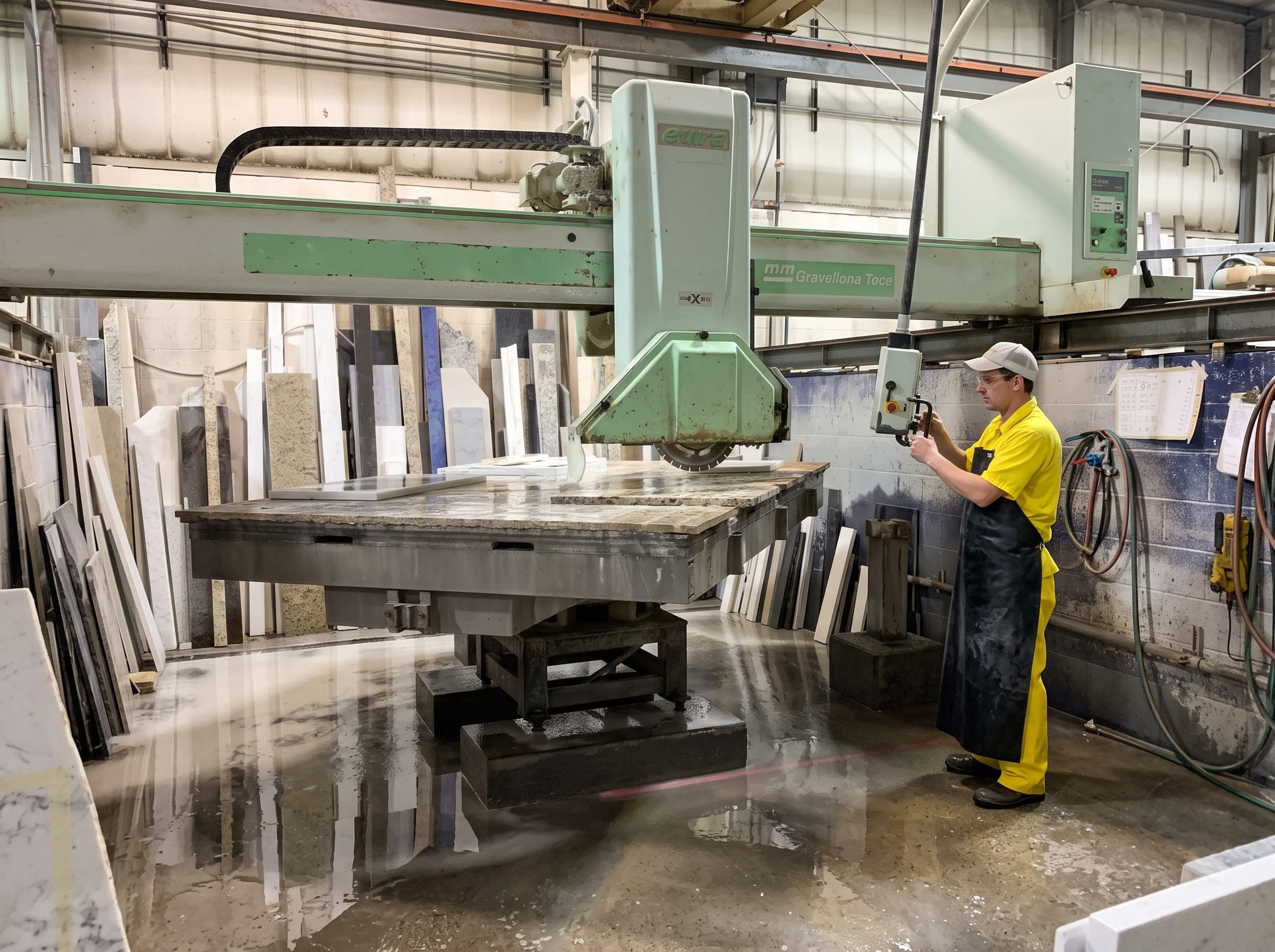
Stone fabrication jobs in Tennessee can include shop production, machine operation, hand finishing, delivery support, and installation work at customer sites. The same title may describe a different mix of duties from one employer to another. A “fabricator” opening might concentrate on bench work and finishing, while another may combine shop fabrication with field measurements, loading, travel, or installation.
This guide helps workers compare shop and field roles, read Tennessee job postings carefully, and prepare specific questions before applying. It does not represent a live vacancy list or promise that a particular employer is hiring.
Key Takeaways
- Read the duties, work location, and schedule before relying on the job title.
- Separate shop fabrication, machine operation, finishing, delivery, and field installation responsibilities.
- Ask where each shift starts, how often travel is required, and who provides transportation to job sites.
- Describe the materials, equipment, and production stages you have actually handled.
- Apply through the employer’s current authorized route and confirm that the opening remains active.
What Stone Fabrication Work Can Include
Countertop production usually moves through several connected stages. Depending on the shop, workers may review measurements, lay out pieces, cut material, operate CNC or saw equipment, prepare sink and cooktop openings, build laminated edges, polish surfaces and profiles, inspect the finished work, load pieces, or assist an installation crew. These responsibilities may be split among specialists or combined into broader fabrication positions.
The official O*NET profile for stone cutters and carvers includes cutting, shaping, finishing, and inspecting stone work. Its coverage extends beyond countertops, so it is useful for occupational context rather than proof of a specific Tennessee employer’s duties. The employer’s current posting should remain the source for the actual role.
When a listing uses a broad title such as “stone fabricator,” identify the production stage behind each requirement. Look for phrases that describe the starting condition of the material, the tools or machines involved, the result the worker must produce, and the person or department receiving the handoff. That sequence reveals more than the title alone.
Shop Roles and Their Production Handoffs
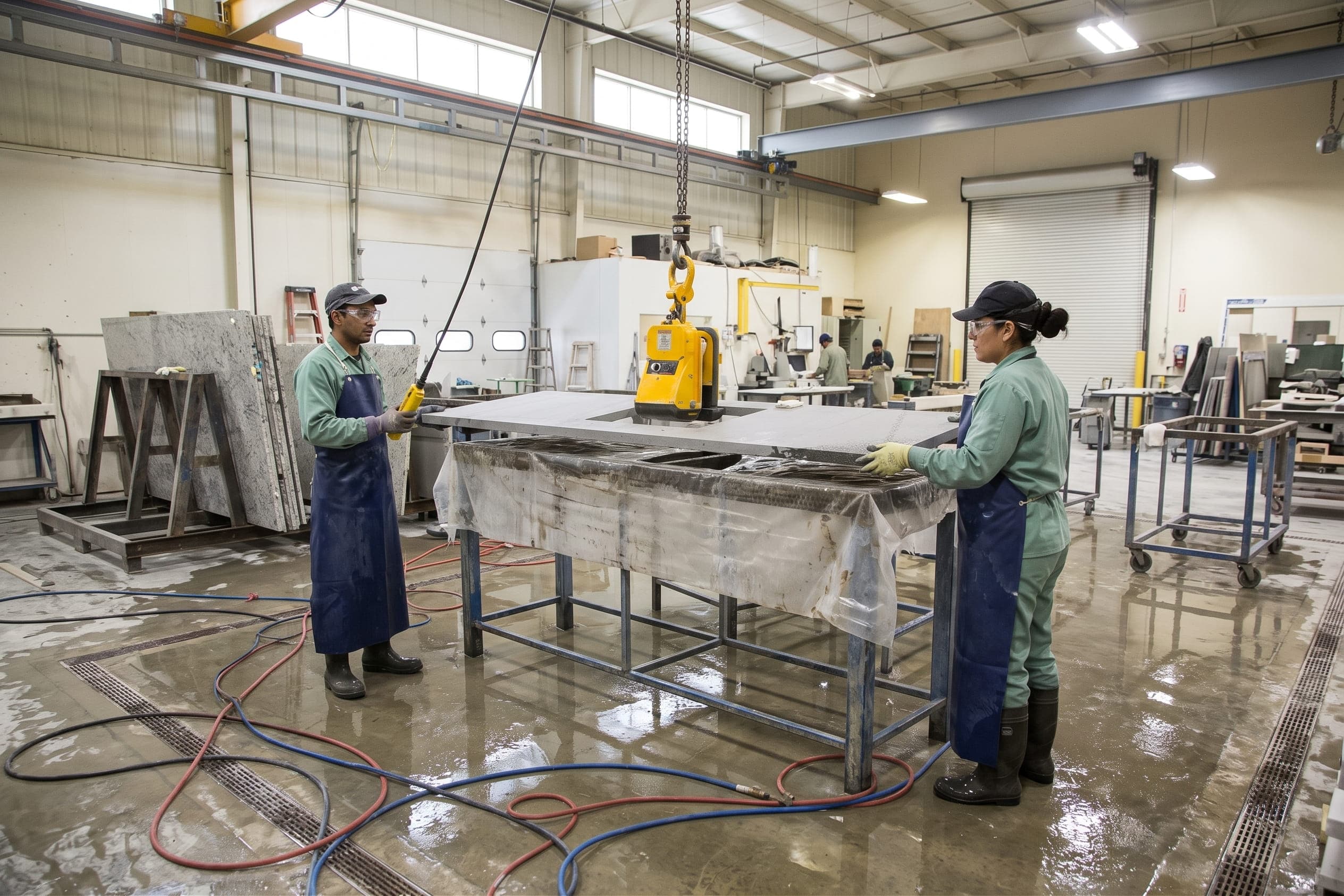
Shop-based work usually takes place at a fabrication facility, but the responsibilities can vary widely. A worker may focus on one machine, move between several stations, complete hand-finishing tasks, or support the flow of material through the entire shop. Ask whether the role is specialized or cross-trained and whether assignments change with production needs.
Saw and CNC Work
A saw or CNC posting should explain whether the worker performs setup, loads approved programs, positions material, monitors cutting, verifies dimensions, or hands the piece to another operator. State your experience at the correct level. If someone else prepared the program or approved the setup, explain your part without claiming full responsibility.
Equipment names can help you compare your background with the opening, but the model alone does not define the job. Ask which tasks are completed independently, what training is provided on the employer’s machines, and who approves a setup before production begins.
Bench Fabrication and Finishing
Bench work may involve shaping, edge preparation, polishing, seam preparation, backsplash pieces, sink openings, repairs, or final checks. A posting may use “fabricator,” “finisher,” and “polisher” for overlapping duties. Look for the material types and specific stages named in the description.
When describing your experience, connect the task to a real workpiece. Explain what you received, what you changed, which instruction or sample you followed, how you checked the result, and where the piece went next. This gives the employer a clearer picture than a long list of tools without context.
Inspection, Loading, and Shop Support
Some roles include cleaning pieces for inspection, recording measurements, preparing hardware, building supports, staging completed work, or helping load vehicles. These duties affect the handoff from production to delivery or installation. Ask whether loading is a regular responsibility, how finished pieces are protected, and who decides that an order is ready to leave the shop.
Do not infer lifting expectations, crew size, or material-handling equipment from photographs or a brief advertisement. The current posting and employer should explain the physical tasks and procedures for the role.
Field Roles and Installation Work
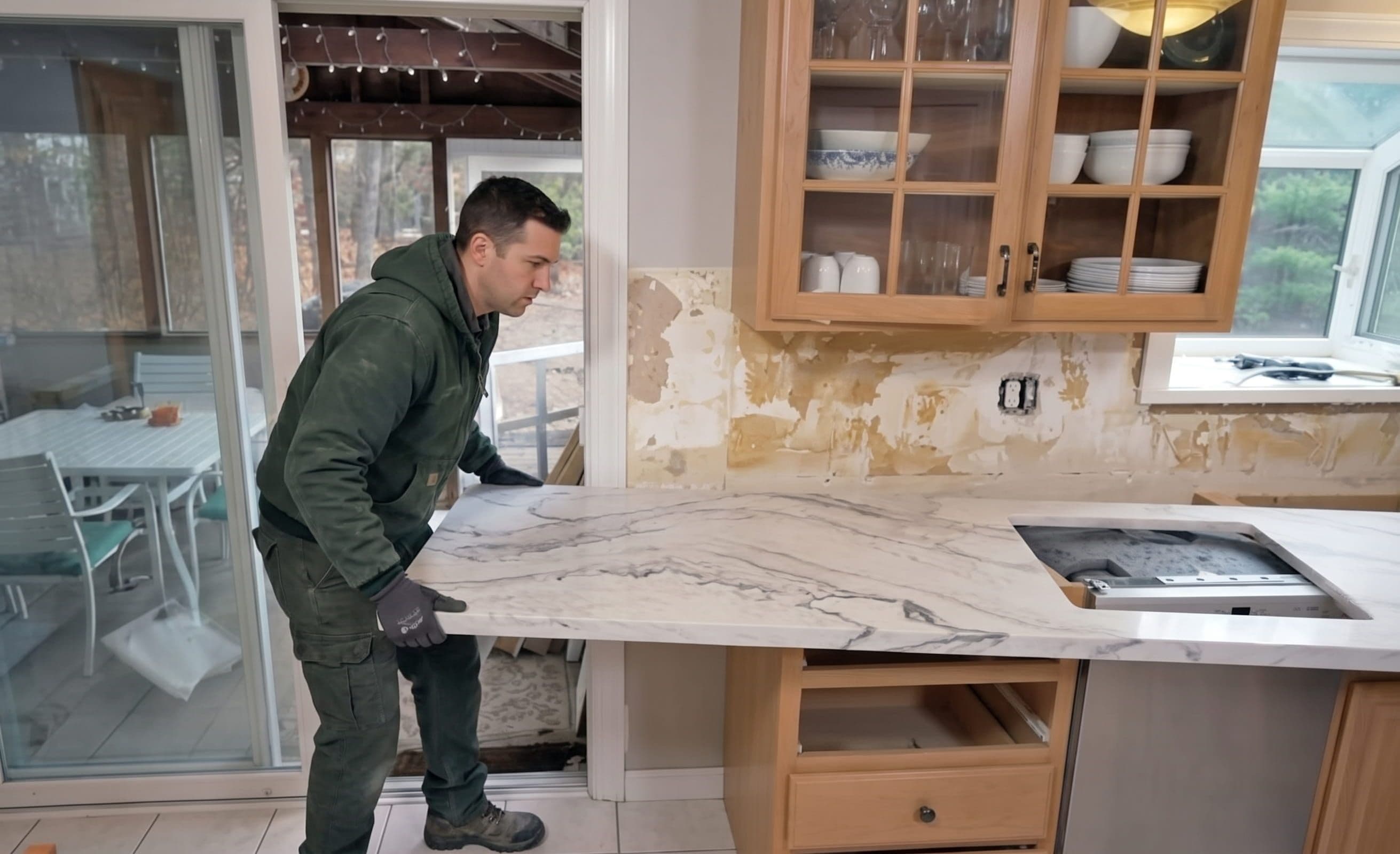
Field work happens away from the fabrication shop and may include measurements, delivery, installation, seam work, adjustments, customer-site coordination, or service visits. Some Tennessee openings are primarily field based, while others send shop workers to sites only occasionally. Confirm the expected split before applying.
Installation Crew Responsibilities
An installer or installation helper may assist with loading, travel, site access, placement, leveling, seams, backsplashes, cleanup, and communication with the shop. The posting should state which tasks belong to the position and which require a lead installer or another authorized worker.
If your background is mainly in shop fabrication, explain the parts that transfer, such as reading work orders, protecting finished surfaces, checking dimensions, recognizing handoff issues, or coordinating with another department. Ask what field training the employer provides before assuming you can perform an unfamiliar site task independently.
Reporting Locations and Daily Travel
“Tennessee” or “Nashville area” may describe a service region without identifying the daily reporting point. Ask for the normal shop address or meeting location, whether the crew returns there at the end of the day, and how travel between the shop and customer sites is handled.
Clarify whether the worker drives a company vehicle, rides with the crew, or uses a personal vehicle. If a posting mentions a driver’s license or travel, ask what driving is actually required and which locations are typical. Do not treat a broad service area as a commute estimate.
How to Compare Shop and Field Openings
Use the same questions for every listing so differences become easier to see:
- Work setting: Is the position based in the shop, at job sites, or divided between both?
- Reporting point: Where does the employee normally begin and end the workday?
- Task boundary: Which production or installation stages belong to this role?
- Equipment: Which machines and hand tools are used, and who performs setup?
- Materials: Which natural or engineered stone products does the posting name?
- Schedule: What days, shifts, start times, and overtime expectations are stated?
- Travel: How frequently does the role travel, and how is transportation handled?
- Handoff: Who checks the work, approves corrections, and receives the completed piece?
- Application: Is the opening current, and does the authorized application route work?
Write down what the posting states and keep unanswered items as interview questions. A missing detail should not become an assumption based on another employer’s process.
Questions That Clarify the Real Job
Before an interview, prepare a short list tailored to the posting. Useful questions include:
- Which duties are performed every day, and which are occasional?
- Is this role assigned to one shop station or expected to move between stages?
- How is work divided between shop production and customer sites?
- Who handles machine setup, programming, and approval before cutting?
- What reference is used to check dimensions, edge profiles, or finishes?
- What should a worker do when the material or finished piece does not match the work order?
- What training is provided for unfamiliar equipment, materials, or field duties?
- Where does each shift begin, and what travel should an employee expect?
The answers should help you understand responsibility, supervision, and handoffs. They are also a chance to compare the employer’s explanation with the wording in the posting.
Check the Schedule and Employment Details
Fabrication and installation schedules can affect whether a role fits your availability. Read the posting for the normal workdays, shift start, expected hours, overtime language, weekend work, and any seasonal or project-based variation. Ask whether the stated schedule applies throughout the year or changes with workload. If the role includes early departures for job sites, confirm whether the shift begins at the shop, another meeting point, or the first customer location.
Review employment terms just as carefully. Determine whether the posting describes a direct employer, recruiting company, subcontract arrangement, or another relationship. If pay is shown, note whether it is hourly, salaried, piece based, or presented as a range, and ask what experience or responsibility affects placement within that range. Do not substitute a salary guide or broad market figure for the employer’s stated terms.
Also check which requirements are conditions of the role and which are preferences. A license, travel ability, schedule, tool requirement, or physical task should be confirmed with the employer in the context of the actual duties. If benefits, allowances, reimbursements, or training are important to your decision, request the current details before accepting an offer rather than relying on an older listing or informal description.
Safety Questions for Shop and Field Work
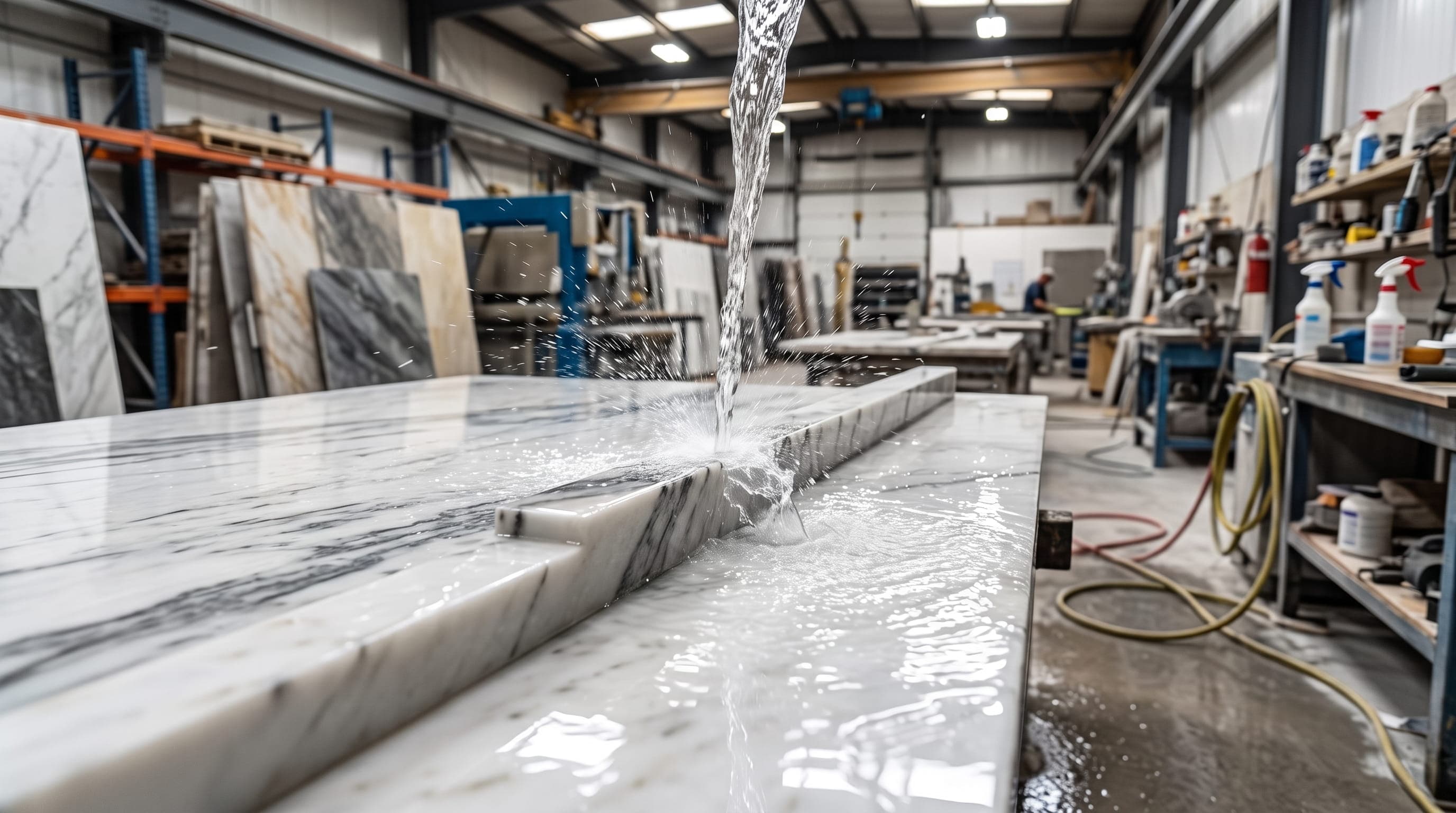
Stone countertop manufacturing, finishing, and installation can involve exposure to respirable crystalline silica when work affects silica-containing material. The joint OSHA and NIOSH countertop hazard alert addresses manufacturing, finishing, and installation activities. OSHA also provides a current crystalline silica resource center with standards and compliance information.
Use those official resources to prepare questions, while relying on the employer’s current program and qualified staff for workplace instructions. Ask which materials and processes are part of the position, what training is provided, which controls apply to the assigned tasks, how equipment is maintained, and who workers contact when a control is not working.
For a mixed shop and field role, ask how procedures, equipment, and supervision change between the fabrication facility and customer sites. Do not decide whether an employer is compliant from a job advertisement, photograph, or search result.
Present Your Experience Accurately
Tailor your résumé and application to the posting’s actual task mix. Name materials, equipment, and responsibilities you can explain confidently. Distinguish between setting up a machine, operating an approved setup, assisting an operator, and observing a process. Separate regular duties from occasional exposure.
A useful experience statement follows the production sequence:
“I received the piece after ___, completed ___ using ___, checked it against ___, and handed it to ___.”
Replace the blanks with your real work. If another worker programmed the machine, shaped the edge, completed the final polish, approved the piece, or installed it, credit that contribution.
Work samples can strengthen the conversation when you have permission to share them. Remove customer names, addresses, order numbers, and other confidential details. Explain what the image visibly shows, what you personally completed, what teammates handled, and what the image cannot establish. A clear boundary is more credible than claiming the entire finished project as your own.
Apply Through a Current, Verified Route
Open the complete job description before applying. Confirm the employer or authorized hiring organization, Tennessee work location, posting date, task list, schedule, travel expectations, and application instructions. If the listing appears old or its application link fails, check with the authorized source instead of assuming the job remains open.
A state job hub can organize openings, but it should not be treated as one individual vacancy. Google’s JobPosting structured-data guidance requires job-specific markup to appear on a page for one actual job rather than on a list page. Use each employer’s current job page for the requirements and route connected to that opening.
If no suitable verified role is available today, prepare your résumé, work examples, and questions for the next relevant opening. Avoid submitting personal information through an unverified form or treating a general contact page as an application to a job that has not been confirmed.
Take the Next Step
The right Tennessee stone fabrication role depends on where the work happens, which production stages it covers, how much travel it requires, and how closely the duties match your supported experience. Read the posting as a workflow: starting material, assigned task, quality check, handoff, location, and schedule.
Workers can tell Countertop Jobs about their experience and the Tennessee roles they want to explore. Employers can describe their fabrication or installation opening so the duties, worksite, travel expectations, and application details can be reviewed before the opportunity is presented to candidates.
Published by
Countertop Jobs
Countertop Jobs recruits fabricators, installers, CNC operators, sawyers, templaters, polishers and shop managers in Texas, Florida, Georgia and Tennessee. Our articles cover pay, equipment, materials and changes that affect countertop work.
Spotted a mistake or an outdated figure? Tell us and we’ll fix it.