
Behind every finished countertop is a team with different skills.
From measuring and cutting to programming, polishing and installation, every role matters. We help employers find the people they need and help workers find their next role.
It starts with understanding the work.
Where we specialize
The job title is only the beginning.
- Does your CNC operator need to program, too?
- Will your next installer join a crew or lead one?
- Does your fabricator spend the day finishing edges, operating the saw, or moving between both?
Those details tell us which skills to look for and what to ask candidates.
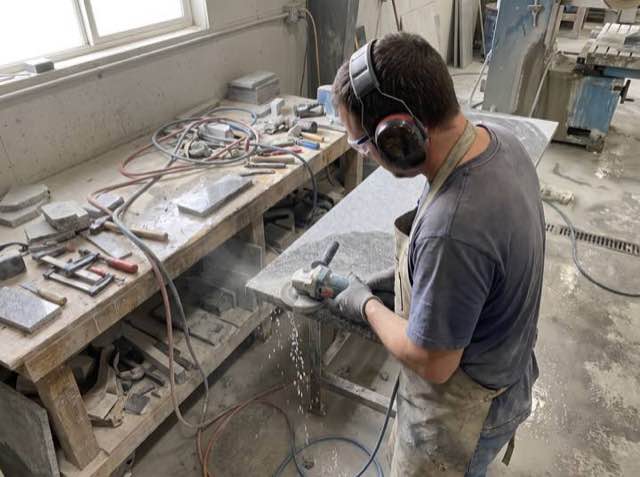
Roles
- Fabricators
- Countertop installers
- CNC operators
- Saw operators
- Templaters
- Polishers
- CAD/CAM programmers
- Install helpers
- Shop foremen
- Slab yard & warehouse staff
- Fabrication managers
Machinery & software
- Bridge saws
- Sawjets
- CNC routers
- Edge polishers
- Digital templating
- CAD/CAM
- Slab layout software
Materials
- Quartz
- Granite
- Marble
- Quartzite
- Porcelain
- Sintered stone
- Solid surface
Good hiring has to work for both sides.
A shop needs someone who can do the work. A candidate needs a role that suits their skills, expectations and daily responsibilities. We take time to understand both.
Our process
From the first call through the first weeks on the job.
Understand the shop
We start with your machines, materials, team and workload. Together, we define the experience you need and the skills you can train.
Find people with the right experience
We contact people whose countertop experience matches the role, including those who are already employed but may consider a move.
Discuss their experience
We discuss the work candidates have personally done, clarify expectations on both sides, and agree on any further checks with the employer.
Stay in touch
We check in with the employer and the new hire through the first weeks to hear how things are going.
A conversation you control
Your next step can start privately.
A hiring need or a career move can be sensitive. We agree which details can be shared before making introductions. Candidates give permission before we send their resume, and we don't contact their current employer.
What you can expect
Specific questions. Clear expectations.
Attention to the work
We ask what candidates have done, which equipment they've used and what they can handle independently. You get that information before meeting them.
Straight conversations
We discuss pay, responsibilities and location early, and explain the next steps so both sides can decide whether to move forward.
Practical trade knowledge
Our learning resources and articles explore countertop roles, equipment and careers. They help employers and candidates ask specific questions and explain the work clearly.